With its natural richness, distinctive flavor, and high nutritional value, Ca Mau crab is increasingly becoming a top export product that is conquering international markets with strict quality standards.
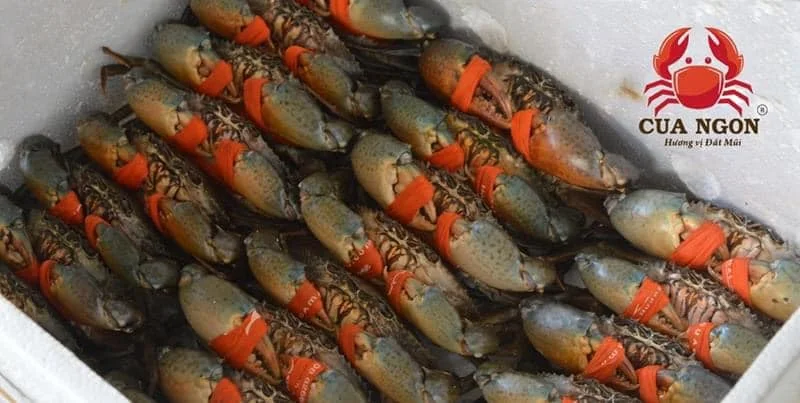
1. What Makes Ca Mau Crab Special?
Natural Habitat Advantage
Ca Mau province boasts over 60,000 hectares of mangrove forests that offer the perfect ecosystem for mud crab farming. This brackish water region, rich in organic nutrients and biodiversity, provides an ideal environment for crabs to grow naturally, resulting in meat that is firmer, sweeter, and more flavorful compared to other regions.
Unique Taste and Texture
What distinguishes Ca Mau crab is not just its appearance but its taste. Female crabs are especially prized for their bright orange roe, while males have dense, sweet meat. Many international chefs and seafood buyers consider Ca Mau crab a premium delicacy thanks to its rich texture, naturally sweet flavor, and high protein content.
Sustainable Farming Practices
Ca Mau farmers traditionally use integrated farming models, such as combining crab farming with shrimp, fish, or rice cultivation. These eco-friendly systems mimic nature, reduce input costs, and minimize environmental impact—earning Ca Mau crab a reputation for being both delicious and sustainable.
2. The Rise of Ca Mau Crab in Export Markets
Increasing Global Demand
With the global appetite for premium seafood rising, especially in countries like China, South Korea, Japan, Singapore, and the EU, Ca Mau crab is gaining strong recognition. These markets value not only flavor but also food safety, traceability, and sustainability—criteria that Ca Mau producers are striving to meet through rigorous standards.
Export Volume and Value
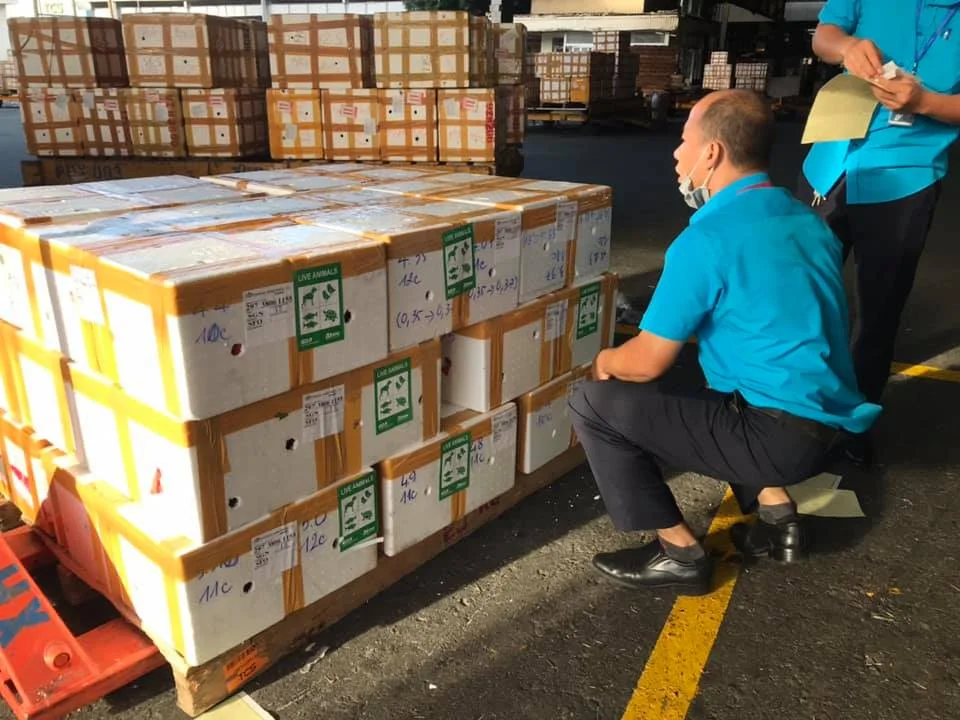
In recent years, the value of exported Ca Mau crab has increased sharply. While exact figures vary annually, the province contributes significantly to Vietnam’s overall crab export revenue. Most exported crabs are live crabs, which require strict preservation and transportation techniques to maintain quality.
Key Export Destinations
- China: The largest market for live mud crab, especially during festive seasons.
- South Korea & Japan: High-end consumers prefer female crabs with roe.
- United States & Europe: Demand frozen or processed crab products that meet FDA and EU standards.
3. Meeting International Quality Standards
To ensure stable access to global markets, Ca Mau crab exporters are improving production chains through:
Certification and Standardization
Producers and cooperatives are working toward achieving global food safety certifications such as:
- HACCP (Hazard Analysis and Critical Control Points)
- GlobalGAP
- ISO 22000
- Vietnam’s OCOP Program (One Commune One Product)
These certifications help guarantee quality control from farm to fork, enhancing trust from international buyers.
Post-Harvest Technology
Exporters invest in cold-chain logistics, oxygenated water tanks, and rapid air transportation to preserve the quality of live crabs. This is especially crucial for long-distance markets like the EU and US, where delivery times impact product value.
4. Challenges in the Export Journey
Despite growing opportunities, Ca Mau crab export faces significant challenges:
Limited Hatchery Supply
Currently, over 90% of crab seeds rely on natural catching. This leads to inconsistent supply and vulnerability to overfishing and climate change. The lack of specialized hatcheries remains a bottleneck in scaling production.
Logistics and Infrastructure
Maintaining crab vitality during export requires specialized equipment and transport systems. Many small businesses lack access to cold chain infrastructure or air freight, reducing competitiveness in high-end markets.
Legal and Trade Barriers
Exporting to markets like the EU or US involves strict sanitary regulations, labeling requirements, and import duties. Navigating these legal frameworks can be difficult for small producers or cooperatives.
5. Solutions and Strategies for Sustainable Growth
To address these issues and scale exports sustainably, several strategies are being implemented:
Development of Crab Hatcheries
Public-private partnerships and government-supported research are essential to establish artificial crab hatcheries. This helps reduce pressure on wild populations and ensures a stable juvenile crab supply.
Building Export Cooperatives
Encouraging farmers to join cooperatives or export clusters allows better quality control, standard compliance, and collective bargaining power when accessing foreign markets.
Branding Ca Mau Crab
Efforts are underway to build a national brand for Ca Mau crab, similar to how Japan brands Kobe beef or Norway brands salmon. Branding includes geographic indication (GI) registration, origin traceability, and promotional campaigns in international seafood expos.
Government Support and Policy
Vietnam’s Ministry of Agriculture and Ca Mau local authorities are promoting the crab industry through:
- Infrastructure investment in ports and processing zones
- Favorable credit policies for seafood exporters
- Training programs on food safety and market access
6. The Future Outlook of Ca Mau Crab Export
With proper investments in breeding, logistics, certification, and branding, Ca Mau crab has the potential to become a billion-dollar industry. As global consumers shift toward sustainable, traceable seafood, Vietnam’s crab sector—especially Ca Mau—can meet that demand with distinction.
Moreover, innovations such as blockchain-based traceability systems, smart farming (IoT sensors for water quality), and online seafood trading platforms will further modernize the value chain and enhance transparency.
Conclusion
Ca Mau crab is more than just a local delicacy—it is a symbol of Vietnam’s aquaculture innovation and sustainable farming spirit. With its unique flavor, high nutritional value, and increasingly professionalized production process, Ca Mau crab is steadily making its mark on the world seafood map.
As global demand for high-quality, eco-friendly seafood grows, Ca Mau’s crab export industry is poised to thrive, provided that it continues to invest in quality, technology, and brand building. With joint efforts from farmers, businesses, and policymakers, Ca Mau crab will not only conquer more international markets but also elevate Vietnam’s seafood reputation to new heights.
Theo Cua Ngon
Keywords for SEO: Ca Mau crab export, Vietnam seafood, mud crab, sustainable crab farming, Ca Mau crab international markets, live crab export Vietnam, Vietnamese crab GlobalGAP, OCOP Ca Mau crab, high-quality crab Vietnam
 10 Must-Try Saigon Dishes – Best Food in Ho Chi Minh City for International Tourists
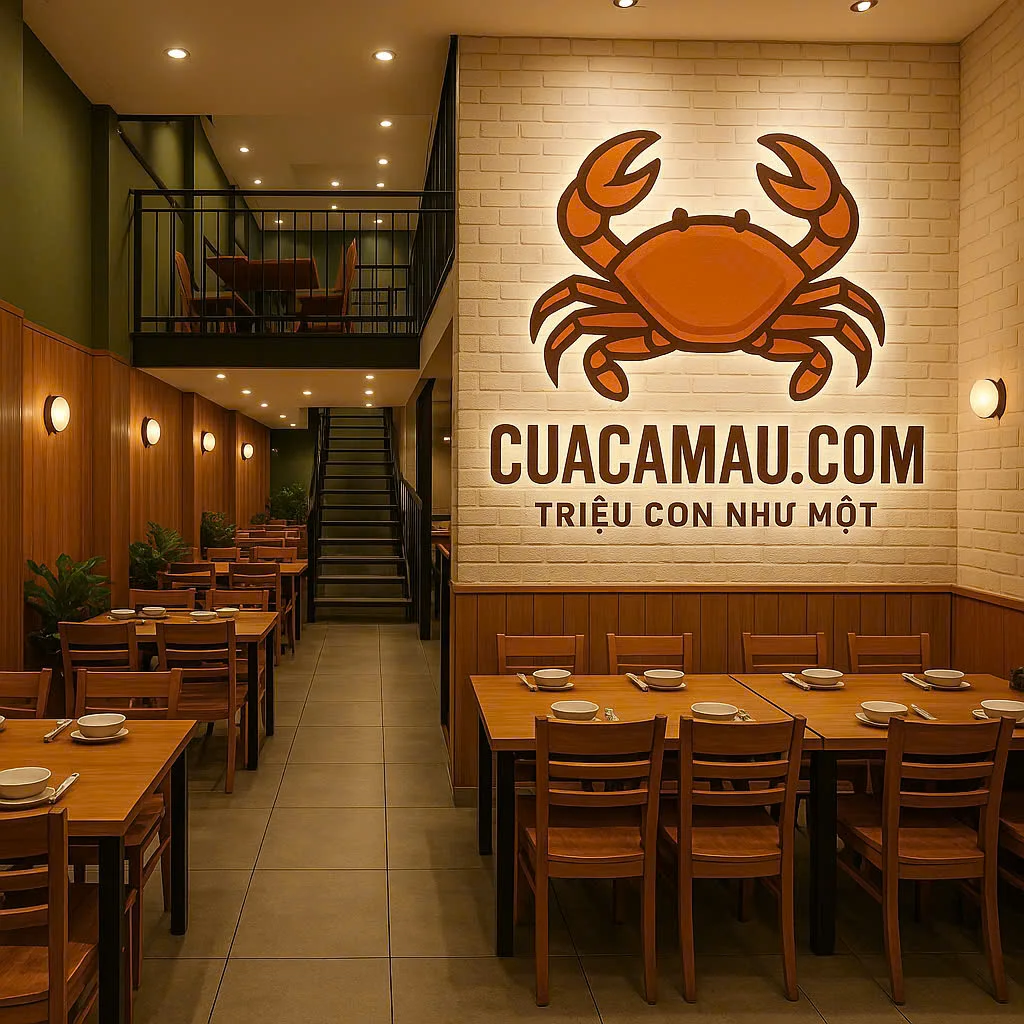 Cua Ngon Franchise: Bringing the Taste of Cà Mau Crab to Every Home
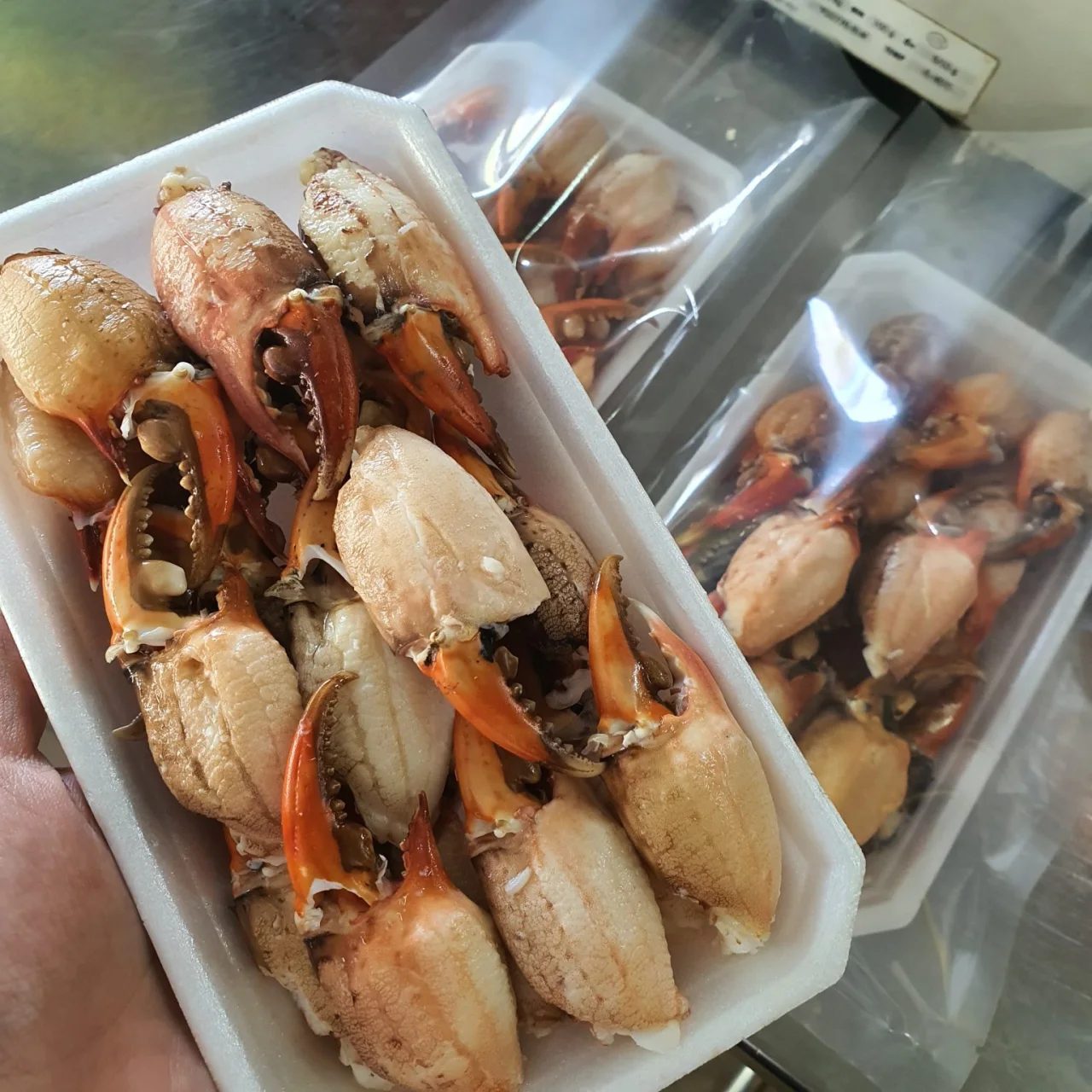 How to Pick & Store Fresh Ca Mau Crab Meat Properly